How Can The Dead Help The Living?

If you’re dead and were a resident in an assisted living community (AL), I want your health data.
Don’t be shy, and don’t worry – it won’t hurt. And you can take comfort in knowing that you may be helping your living friends and colleagues.
You may have thought, in your final moments, that you no longer had anything to offer, nothing more to give. Perhaps you even welcomed your approaching demise as a long and anticipated relief from suffering and even despair.
But I say that more than ever before, you are needed. You have a great deal to offer, especially now. You have the opportunity to do something noble, without even raising a finger. And it’s something that will still allow you to remain physically and molecularly intact…for as long as Mother Nature allows, that is.
WE NEED YOUR DATA
Give us your health data. You have a treasure trove of data that might be able to teach us how to provide better care for the living.
Sure…the insights derived from your data will probably prolong the lives of your breathing AL friends and family and delay your ultimate reunion. But no doubt you’ve already discovered that patience is more easily achieved in your world than in ours. And you at last fully understand the intense pressure that drives the need for living people to discover and implement healthcare solutions ASAP.
All we need to do is to obtain your health data from your last days and compare these data to the same health data of your living AL friends and family. We then explore these differences and put the lessons we learn into action. We ask the question: “What are the differences in health between dead people and living people?”
Here are a couple of examples that illustrate how the lessons we learn might help your AL friends and family:
- What if we discovered that 20% of the AL residents where you lived have diabetes, but a disproportionate 80% of the residents who’ve died have diabetes? Wouldn’t that suggest to your AL managers that a more intense focus on the way they manage diabetic residents should be considered?
- What if 30% of the AL residents where you lived are taking antipsychotics, but a disproportionate 75% of the residents who’ve died were taking antipsychotics? Wouldn’t you expect your AL to rethink and possibly improve its approach to the management of its living residents taking antipsychotics?
- What if only 10% of the AL residents where you lived have very high health acuity levels, but a disproportionate 90% of the residents who’ve died had high acuity levels? Wouldn’t that prompt your AL to consider implementing a method of acuity based resident monitoring? If so, they might discover your friends’ health decline at an earlier time point and be able to intervene sooner and thus keep them in the land of the living longer.
Personally, I think dead people have a lot to offer. I think they are too often overlooked and under-appreciated, because they might have answers that could help living people improve the quality and length of their lives.
And in the assisted living world, longer life translates into more stable occupancy, increased length of stay, reduced resident turnover, and improved profitability.
Important answers may lie in dead people’s health data. And I truly believe these folks would be more than happy to cooperate.
All we need are volunteers.
E-mail me with comments:
st**********@il*******************.com
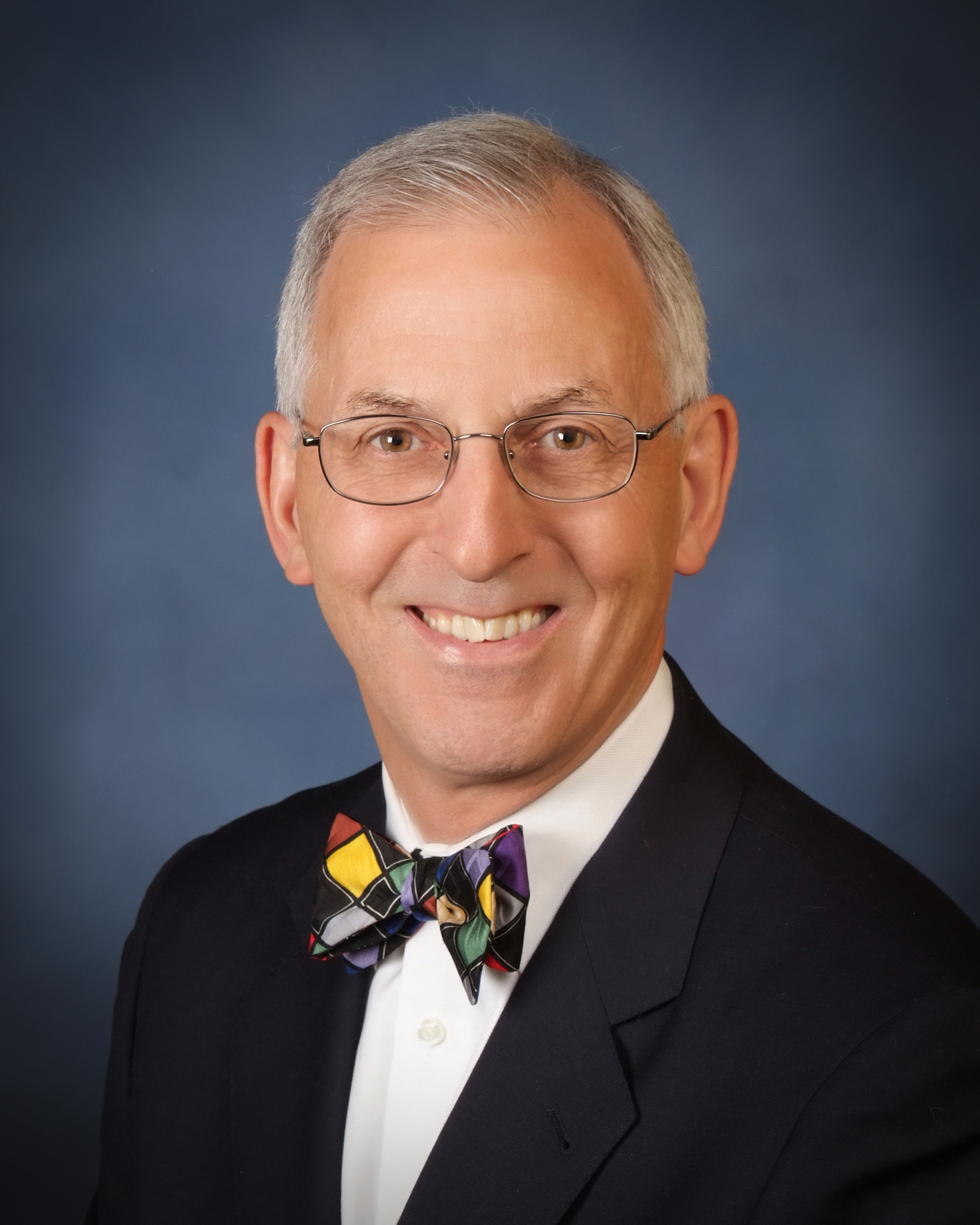
Dr. Steven Fuller
Dr. Steven Fuller is a triple board certified physician/entrepreneur who develops programs in support of an Integrated Care model of senior housing. This model includes 3 equal, interactive, and mutually supportive team members: real estate, hospitality, and healthcare.
<< Back to Blog Home
Latest Posts