
An Unwanted, Complicated Journey
The seniors who are attracted to Assisted Living are those who are overwhelmed with the burden of their healthcare and require, as the name states, “assistance.”
They and their families and support system are no longer capable of meeting their myriad healthcare needs. And so, a life of complete independence has slowly collapsed into a life in which others must assist with basic healthcare essentials.
For most, accepting this realization has actually been an unwanted and very complicated journey. A journey that relentlessly and systematically progressed through stages not unlike those described by Elizabeth Kubler Ross in “On Death and Dying” that began with ‘denial’ and now ends with final and very reluctant ‘acceptance.’
But the pill gets even harder to swallow, as the loss of independence also means, at long last, confronting personal and family “issues” that have long-lurked just beneath the surface but which can no longer be avoided. Financial issues, inheritance issues, family acrimony, and the heart wrenching decisions involved in selling their home, selling or giving away most of their cherished possessions, and leaving behind a lifetime of memories (both good and bad) and all that is familiar. They will now be restricted to a small apartment in a building full of strangers. Not only that, but their privacy will be constantly invaded with never ending questions and a set of constantly changing and unfamiliar caregivers parading in and out of their new “home” multiple times daily whether they are invited or not. And, for better or worse, there will be the constant pressure to participate in a truckload of activities.
Such is the new reality for those seniors whose fragile health has brought them to this setting. They each bring with them an average of 8 chronic diseases and the need for 6-7 different types of prescribed medicines that treat these diseases. And the host of support services that must be orchestrated and synchronized to provide the healthcare that drove them to this assisted living setting include:
- Primary care doctors and a variety of specialists.
- Home Health services from time to time.
- Lab testing services.
- Personal care services.
- Pharmacies.
- Durable medical equipment companies for oxygen, mobility devices, and more.
- Transportation services.
- And a never-ending series of forms to complete to justify the need for all of the above.
This means that an average sized assisted living community with 50 residents not only manages, every day, hundreds of chronic diseases, dispenses hundreds of medications, but must also interface literally with hundreds and hundreds of different healthcare personnel in the course of caring for their residents.
Assisted living communities are usually beautiful (if not outright gorgeous) buildings where hospitality ‘rules’ the day. But it takes no imagination to appreciate the complexity of managing a community of seniors who all have these healthcare challenges.
So one might inherently assume that, in addition to real estate professionals and hospitality professionals, healthcare professionals would also occupy influential leadership positions in assisted living corporations and the trade associations that represent them and who guide them with a stated emphasis on quality management.
Here’s the Paradox
Seniors come to assisted living to get assistance with their healthcare. And yet there are no healthcare professionals in the boardrooms of most assisted living corporations and the trade organizations who represent and advise them.
Go to the web and take a look at the board members of these corporations and trade organizations. Where are the healthcare professionals? Where did they go???
Who sits on these boards where the critical decisions are made about their individual communities?
Businessmen and businesswomen, financial analysists, hospitality experts, lawyers. These folks are all necessary, to be sure. But do you see any healthcare professionals? If not, then that begs the question: “If you (the reader) need help with YOUR healthcare, to whom do YOU turn for advice – Your financial analysist? Your lawyer? A local businessman? The hospitality manager of your local Holiday Inn? Of course not! So why would you, or any of us, expect and accept anything different for the fragile seniors in assisted living?
Does the lack of healthcare leadership in these organizations explain the following rather unflattering statistics?
- Length of stay 22 months and declining.
- Annual resident turnover 54% and increasing.
- The leading cause for turnover overwhelmingly due to declining resident health, and this is also increasing.
All of these statistics are going in the wrong direction! They are getting worse, not better.
The Need to Evolve
Assisted living must evolve into an Integrated Care model. A model in which healthcare professionals work peer-to-peer and side-by-side in the boardrooms with real estate and hospitality professionals to design and manage the best possible services to our fragile seniors. You cannot separate seniors from the healthcare needs that deliver them to your doors. Period!
E-mail me with comments:
st**********@il*******************.com
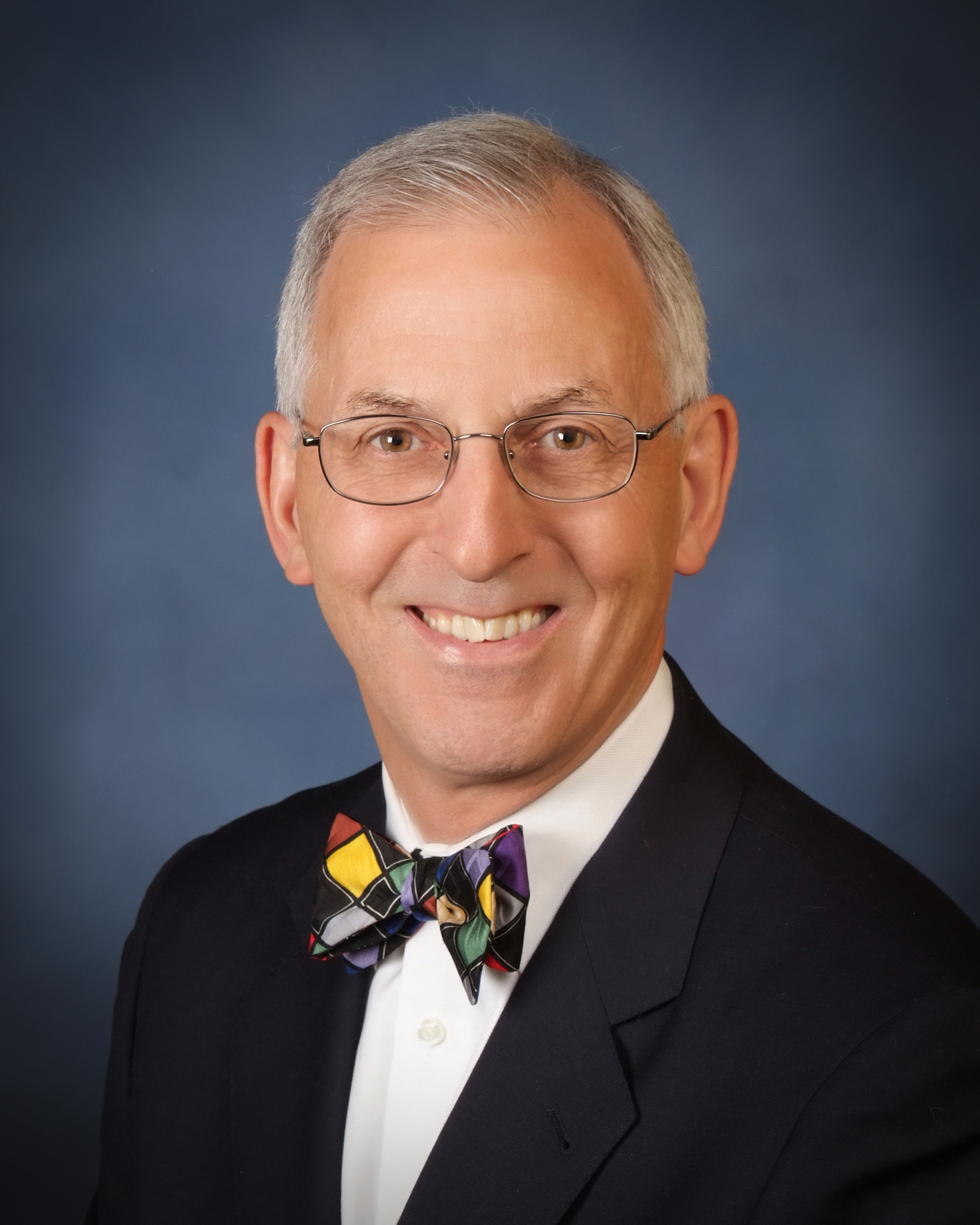
Dr. Steven Fuller
Dr. Steven Fuller is a triple board certified physician/entrepreneur who develops programs in support of an Integrated Care model of senior housing. This model includes 3 equal, interactive, and mutually supportive team members: real estate, hospitality, and healthcare.
<< Back to Blog Home
Latest Posts