“To Do No Harm” Is Only Half of the Story
(click to enlarge)
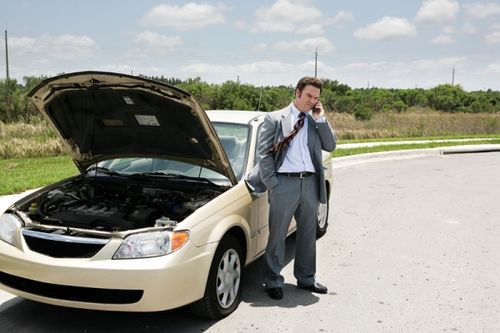
Imagine that your car engine started acting up, so you take it to a garage to have it fixed. The garage boasts that it’s the best garage in town, because if you do business with them, they will not only fix your engine, they won’t create new problems!
You think to yourself, “This is weird. Why does ‘not creating new problems,’ – not giving me a problem that didn’t exist before – make you the best garage in town?”
And yet, this is exactly what’s happened in healthcare. The expectations have been set so low, that a point of distinction and a marker of quality is that when you’re hospitalized, you won’t get new problems and become worse off than before you were hospitalized!
- You won’t have a new and life threatening infection you didn’t have before.
- Your medicines won’t be totally screwed up when you’re discharged.
- You won’t bounce right back to the hospital and be readmitted within the next few days or weeks because of a faulty and impossible-to-understand discharge process with instructions that are either nonexistent or impossible to follow.
- And we won’t fail to notify and provide records of your hospitalization to your clinician and fail to make arrangements for you to be evaluated within a few days after your discharge.
We MUST be better than this!
We should not accept NOT creating new problems as some type of virtue.
We must identify problems pre-emptively, BEFORE they exist, and PREVENT them from happening in the first place. And when a problem unexpectedly does occur, we must address it quickly and efficiently and prevent further health decline.
This is especially true in settings like assisted living, where the residents are elderly and fragile with multiple chronic health conditions and have limited tolerance for taking on yet another health problem – even something as minor as a cold or a minor urinary tract infection.
Especially in assisted living, our standards must be that:
- We know exactly the health conditions of our residents, because we’ve measured them, and this allows us to develop the services specifically suited to THEM and not to a fictional AL where we have only guessed at what the health needs are.
- We monitor our residents proactively, identify declining health issues early, and intervene immediately to keep our residents well and prevent ER visits and hospitalization.
- We have implemented efficient arrangements with clinicians that allow timely solutions to health issues rather than waiting for days due to faulty communication and care processes.
- We know the risk profile of every resident, and this allows customized monitoring, and facilitates early identification and intervention of declining health.
- And if a resident who is admitted to the hospital returns to us, we have a program in place that will assure there will be NO AVOIDABLE READMISSIONS!
This should not be the future.
This should be, and must be, NOW.
E-mail me with comments:
st**********@il*******************.com
Dr. Steven Fuller
Dr. Steven Fuller is a triple board certified physician/entrepreneur who develops programs in support of an Integrated Care model of senior housing. This model includes 3 equal, interactive, and mutually supportive team members: real estate, hospitality, and healthcare.
<< Back to Blog Home
Latest Posts