
There are over 1 million fragile older adults living in 40,000 US Assisted Living Communities (ALs) (ALFA 2011), and yet the vast majority of ALs do not have relationships with physicians who provide on-site primary care. And very few, if any, of the ALs use analytics to objectively measure and describe their resident’s health and the health management they provide.
Assisted Living Communities were originally promoted to support residents in a non-medical setting to bridge the gap between independent living and the nursing home. But the landscape for ALs has dramatically changed since their inception.
The average age of an AL resident is now 87 years (Harris-Wallace et al, 2011, Seniors Housing & Care Journal). Thirty-seven percent of residents receive assistance with 3 or more activities of daily living (NCAL 2012), most of the residents have 3 or more chronic medical conditions and are taking multiple medications having a variety of potential side effects, and 42% have at least some degree of memory impairment or dementia (NCAL 2012).
Assisted Living Communities are no longer a predominantly non-medical setting. They attract high acuity and high risk residents whose medical needs will only intensify in the future due to:
- A very competitive senior housing market,
- Resident expectations to age in place and experience the progression of chronic medical conditions in one setting that provides ongoing care and monitoring,
- Pressure from hospitals and skilled nursing facilities who discharge medically complex patients to the community while still having many medical needs.
In other words, times have changed! But there are 2 winning ideas that ALs can adapt to remain competitive and successful in the future:
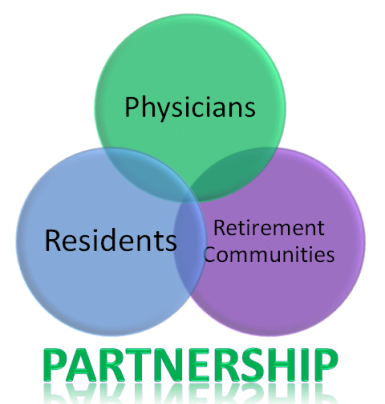 Establish partnerships with primary care physicians to provide on-site full primary care to your residents. Meet with a few local physicians and ask them what they require in order for them to provide a regular presence in your AL. Encourage their presence by helping them overcome the time and travel inefficiencies they face by giving them the support they need when coming to your AL.
 Adopt Analytics, and this is important. The time is quickly arriving when referral sources (families, hospitals, skilled nursing facilities, insurers, and others) will no longer be satisfied with ‘word-of-mouth’ opinions when choosing an AL. You will soon be required to demonstrate your care excellence with objective measurements of your residents’ health as well as the health management you provide. See www.IlluminationAnalytics.com to learn about a practical and cost effective new analytics service developed by a physician strictly for the needs of ALs.
<< Back to Blog Home
Latest Posts